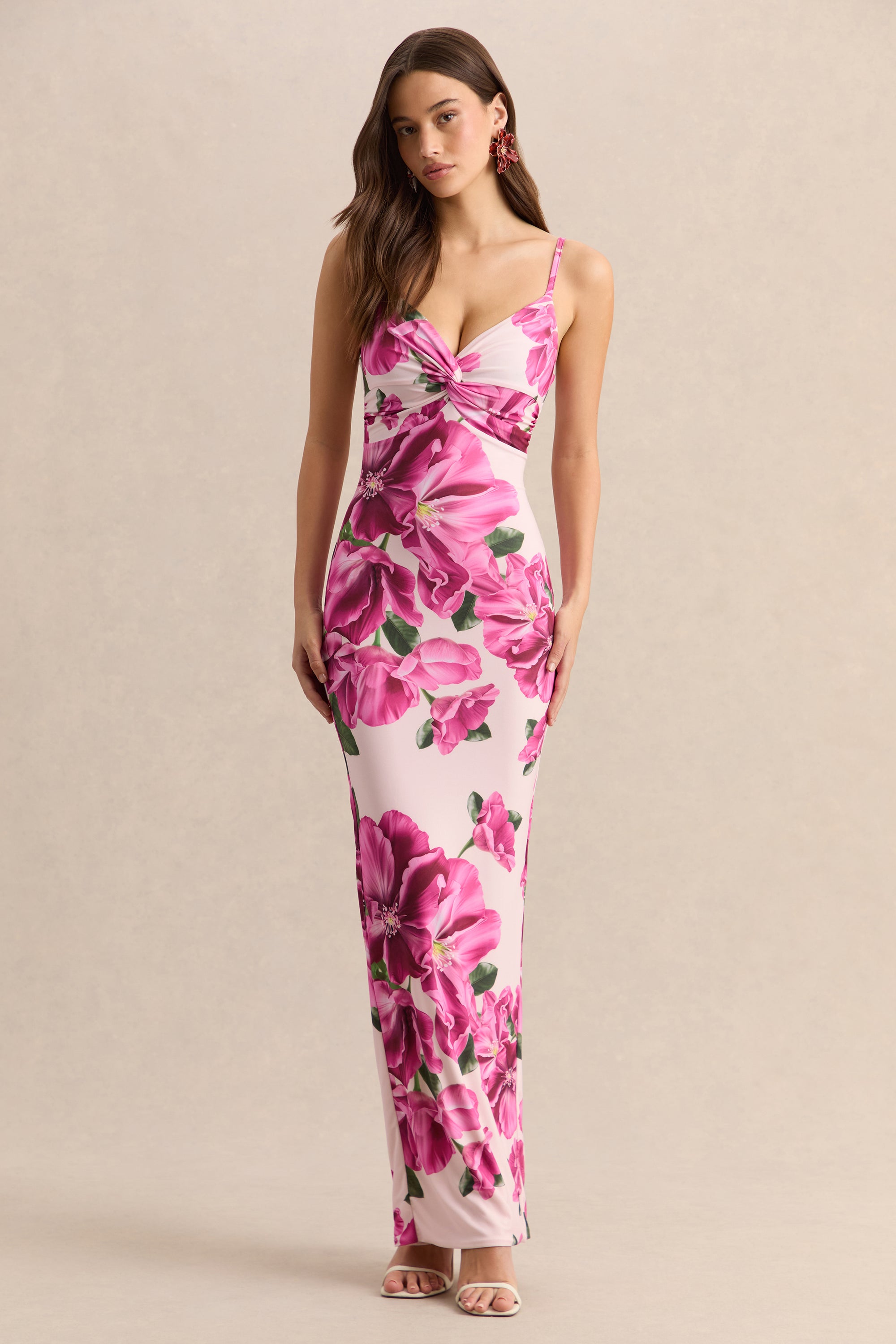
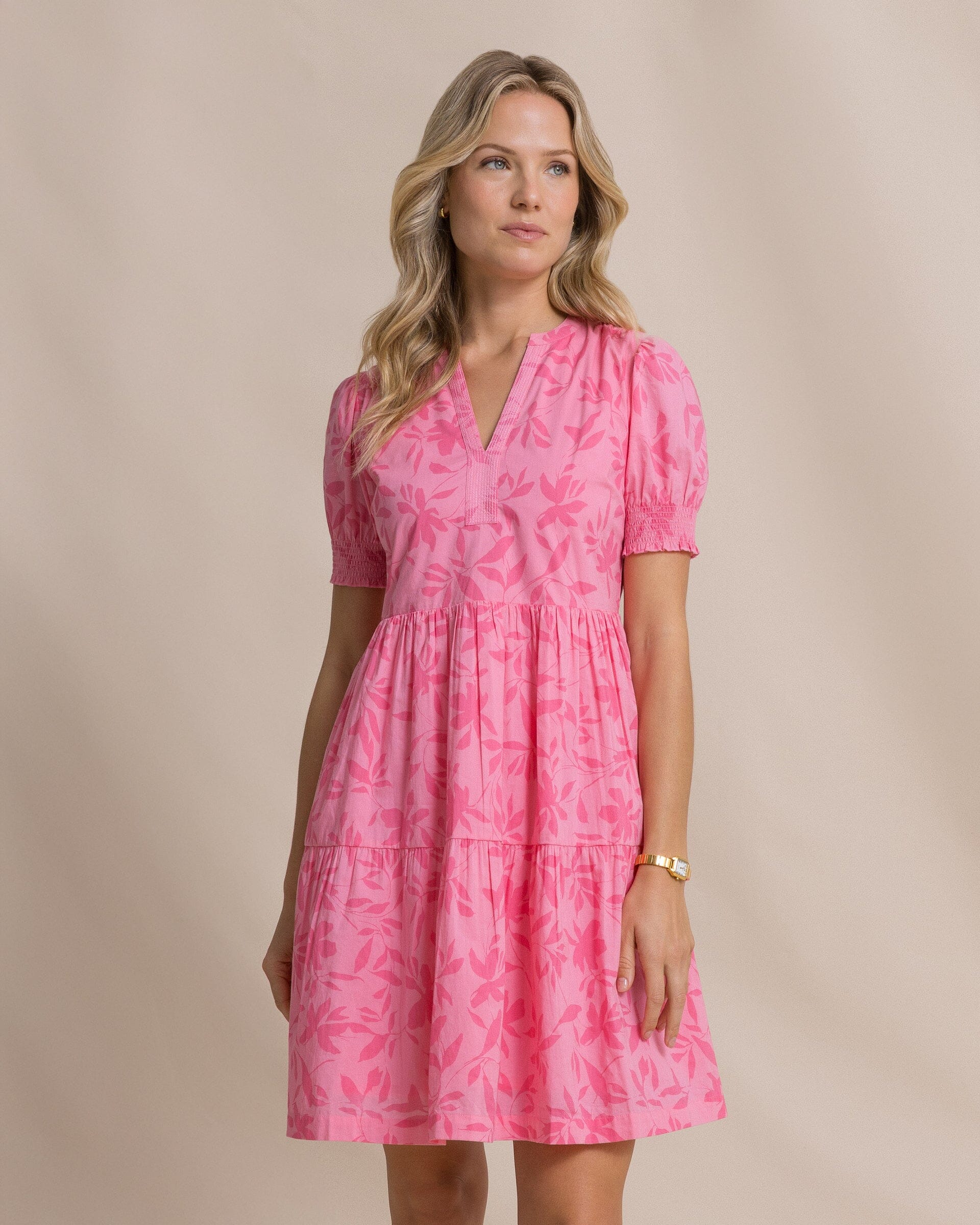
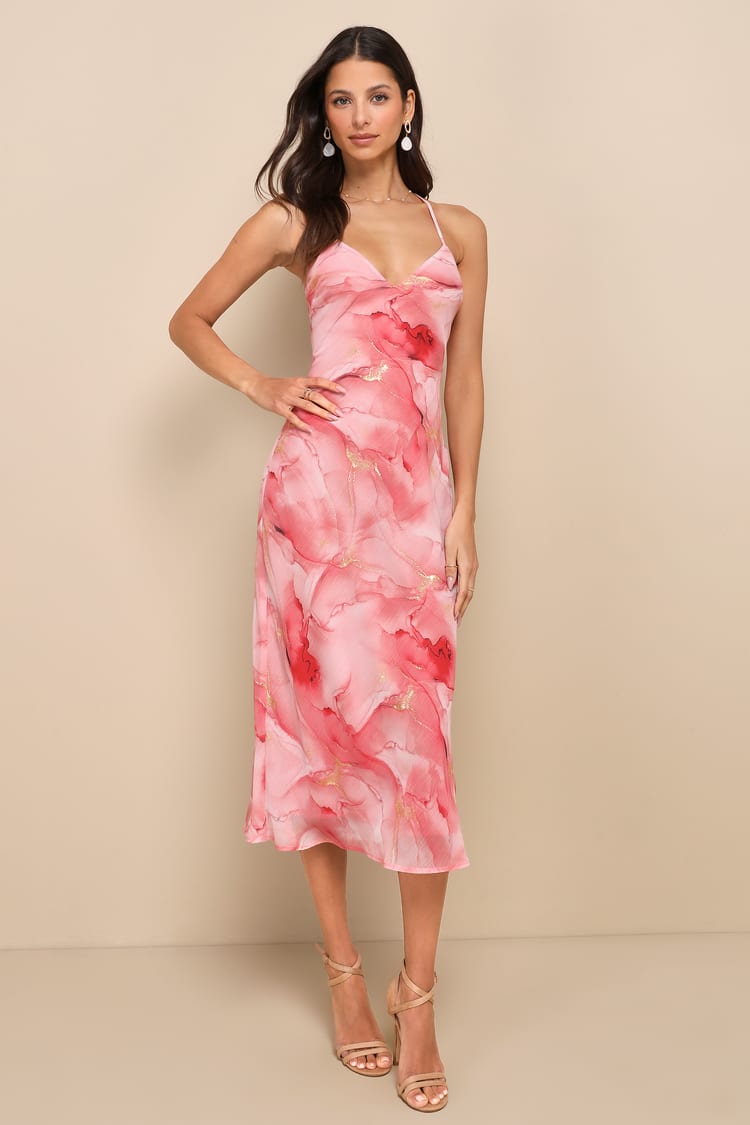
Key garments: plum gown with defined structure and evening polish Footwear: refined heels appropriate for indoor formal venues Accessories: elegant jewelry used sparingly to avoid visual competition with the gown This is the version of the purple wedding dress that appeals to brides seeking drama without losing elegance
In Fashion in Costume, 1200-2000 (2000) Joan Nunn discusses the changes in fabric and color during this time: Throughout the period light colours were fairly general for evening wear and were considered more suitable for young ladies, as were cottons like muslin or tarlatan, but by the 1860s cotton had lost ground as a high-fashion fabric, and silk, satin, taffeta, faille, moir, silk poplin from Ireland, and velvet for more mature ladies, were used for formal dresses. (166-67) Red was a relatively common color at this time among the elite due to its richness, especially when created through the new aniline (synthetic) dyes that evoked novelty and opulence
The tailoring process begins as soon as an order has been placed, and materials cannot be reused
customs or local carriers